California State University, Monterey Bay
Sustainable City Year 2016 / Capstone
Environmental Interpretation
Art and Agriculture Installation
Sustainable City Year 2015
Groundwater Policy Analysis
I pursued an undergraduate degree in environmental studies with a minor in biology at CSUMB from 2015 to 2017. These two years were full of engaging assignments, work, and volunteer experiences.
SUSTAINABLE CITY YEAR 2016 / CAPSTONE PROJECT
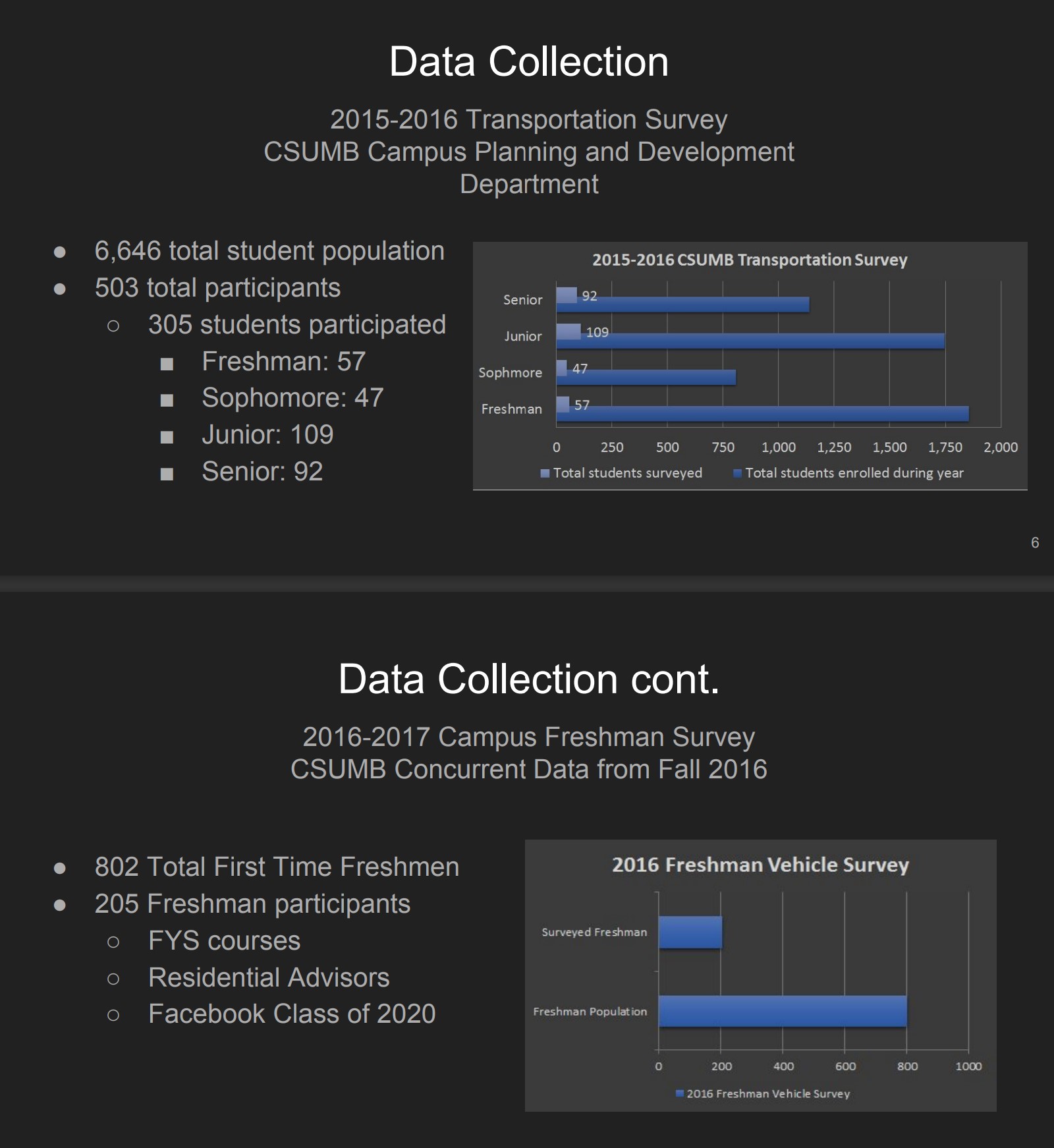
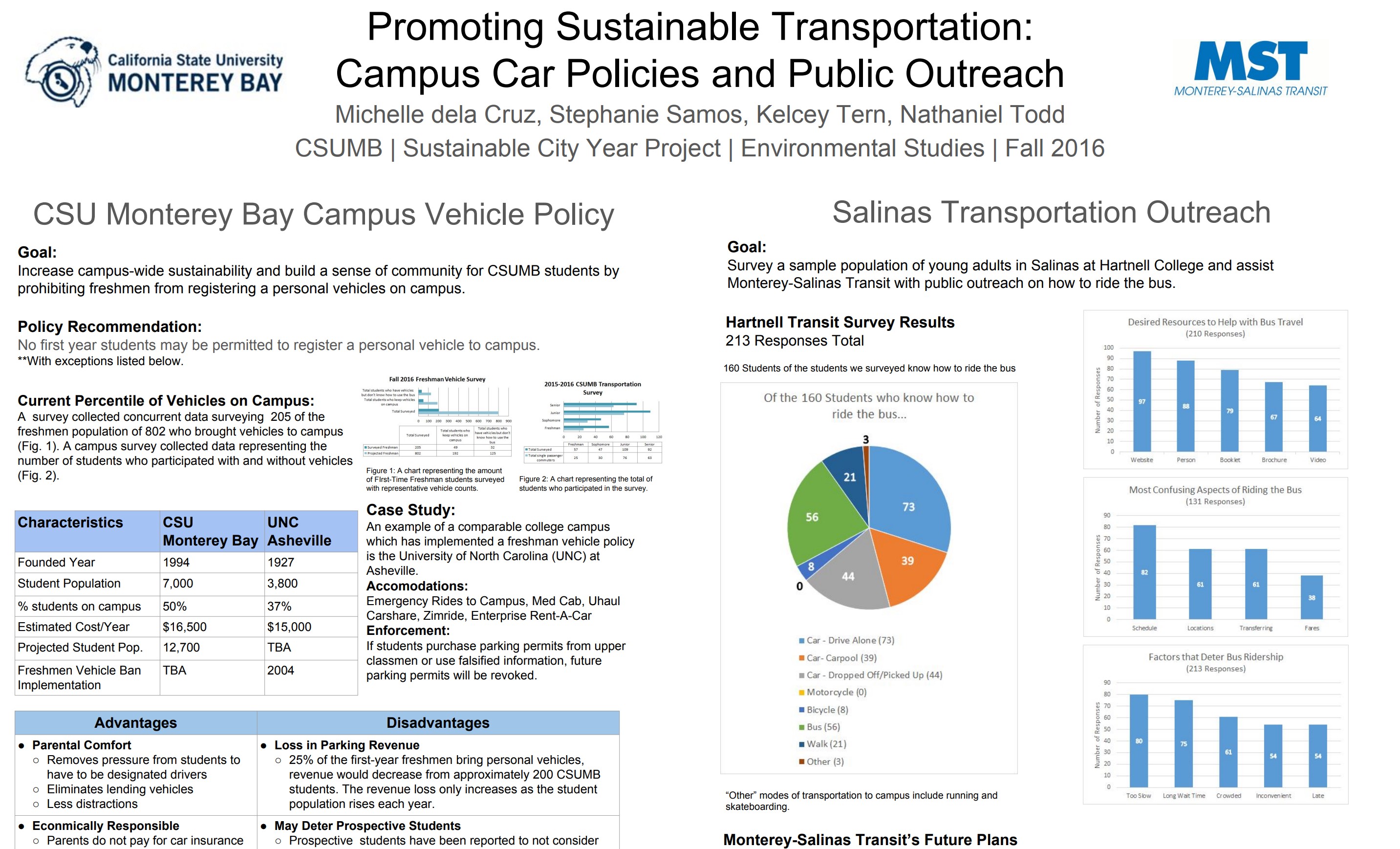
As CSU Monterey Bay grows towards its goal of serving 12,700 students by 2030, campus traffic must be managed sustainably. My capstone group and I proposed a campus policy to limit the number of personal vehicles brought to campus by freshmen students. This project includes a survey of CSUMB freshmen and a case study on a current freshmen car ban at another university.
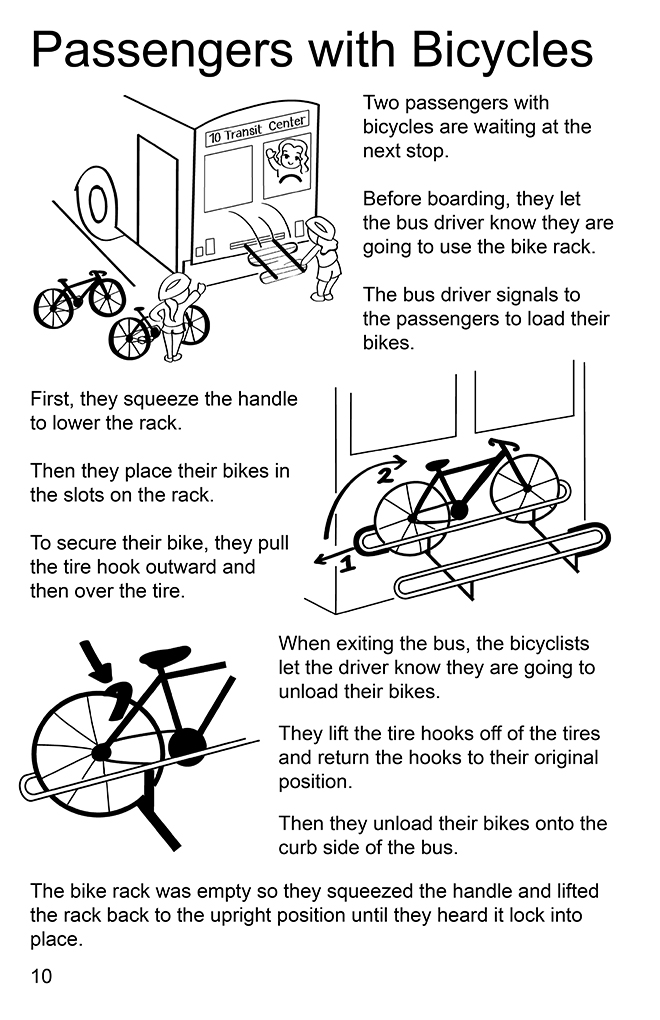
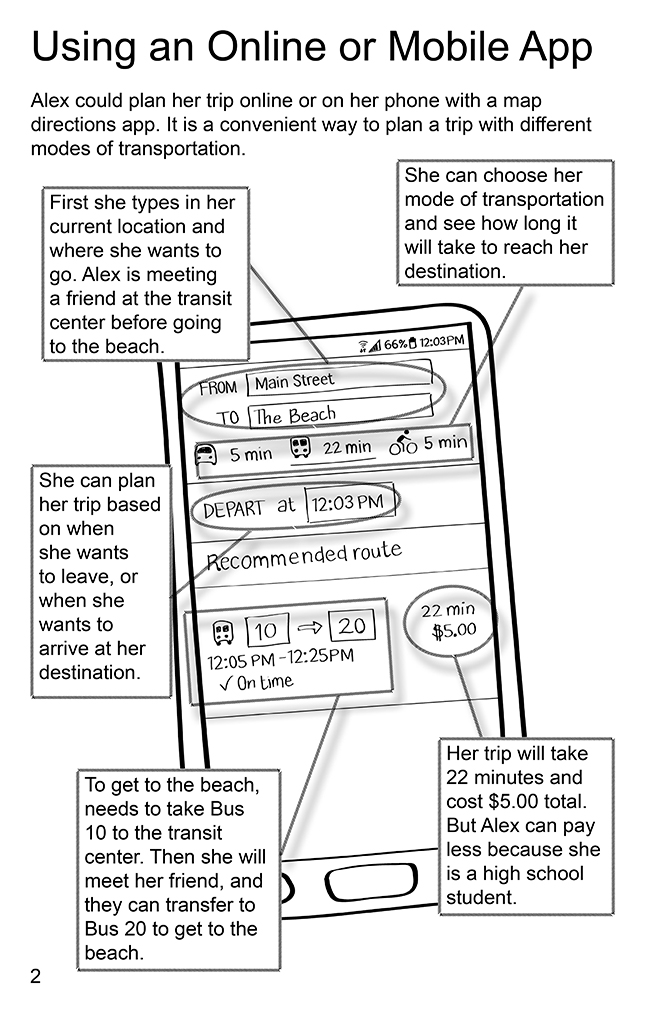
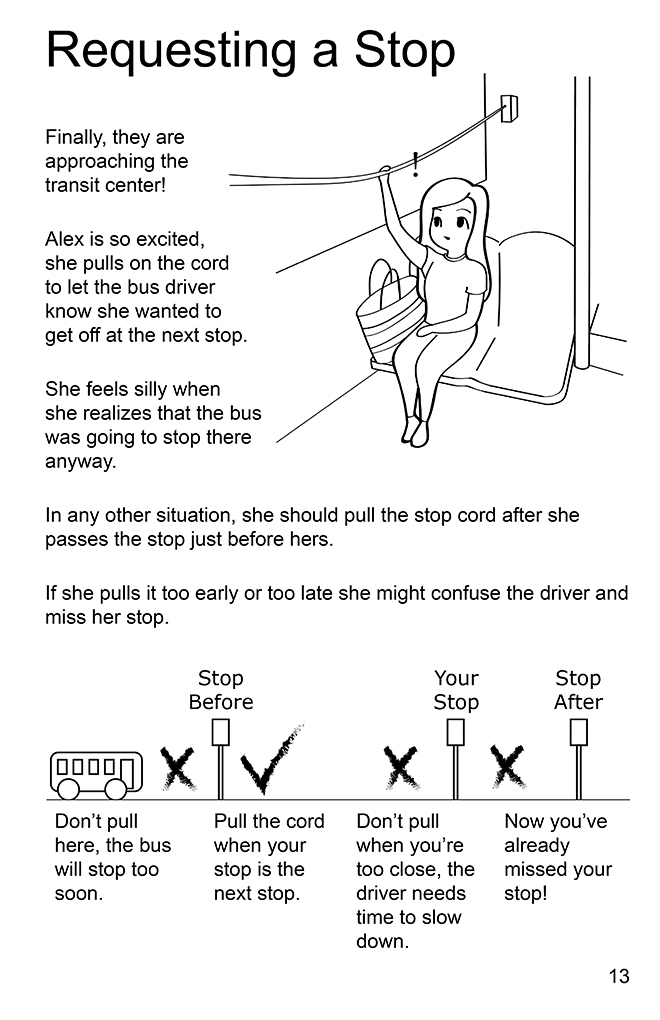
The Sustainable City Year Program connects CSUMB students with a local city as a resource to provide innovative thinking and applicable skills to help solve city-wide problems. One of the projects for the first Environmental Studies group capstone course involved a partnership with the transportation department of the City of Salinas. Our group assisted Monterey-Salinas Transit with public outreach by surveying Hartnell students about transit use and creating an illustrated how-to-ride-the-bus booklet.
- Campus Car Policies & Public Outreach Report (pdf)
- How-to-Ride-the-Bus Illustrated Booklet (pdf)
- Capstone Poster (pdf)
- Capstone Presentation (pdf)
- 2016 Sustainable City Year Semester Projects Report (pdf)
ENVIRONMENTAL INTERPRETATION
“Interpretation is an approach of environmental education that provokes personal connections to environmental issues, ultimately in an effort to inspire positive action on those issues” (dela Cruz 2017).
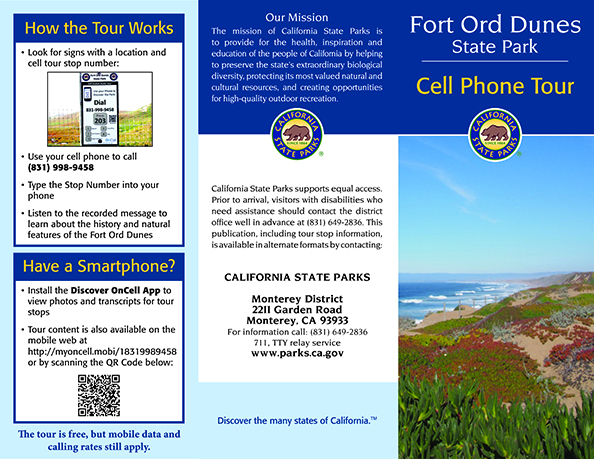
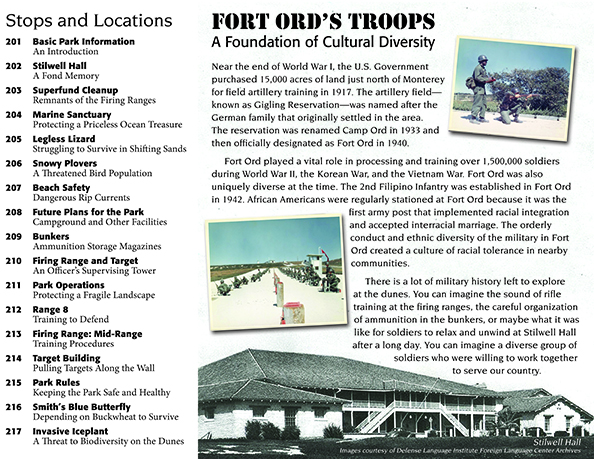
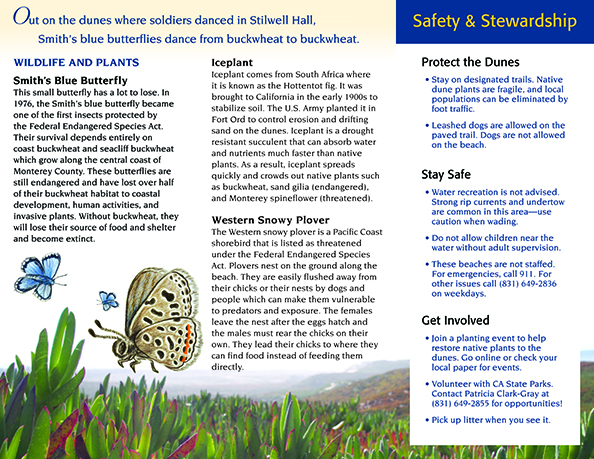
For my service learning project with California State Parks, I wanted to help educate park visitors about caring for the beaches and dunes in the Monterey Bay. I created a new brochure to the Fort Ord Dunes cell phone tour and added two new tour stops on ice plant and the Smith’s blue butterfly. My service learning course in environmental interpretation helped me become a certified interpretative guide by the National Association for Interpretation.
- Fort Ord Dunes Cell Phone Tour Brochure (pdf)
- New Tour Stop and Brochure content (pdf)
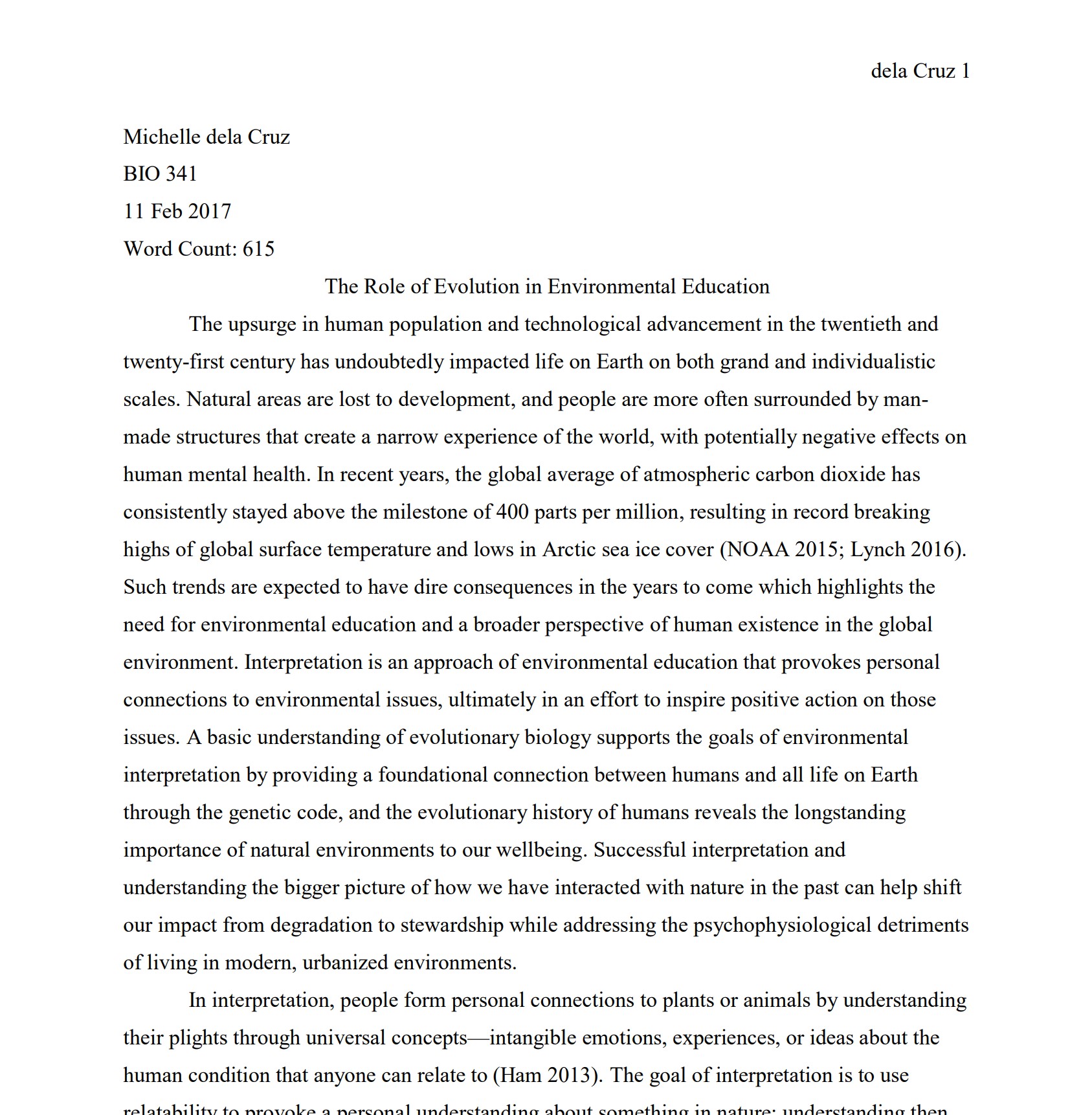
- The Role of Evolution in Environmental Education (pdf)
ART AND AGRICULTURE INSTALLATION
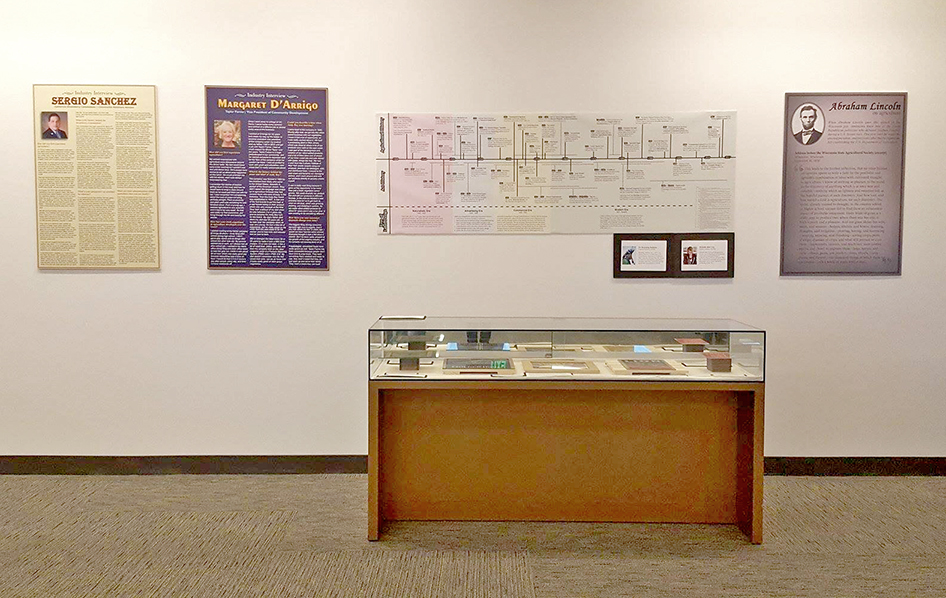
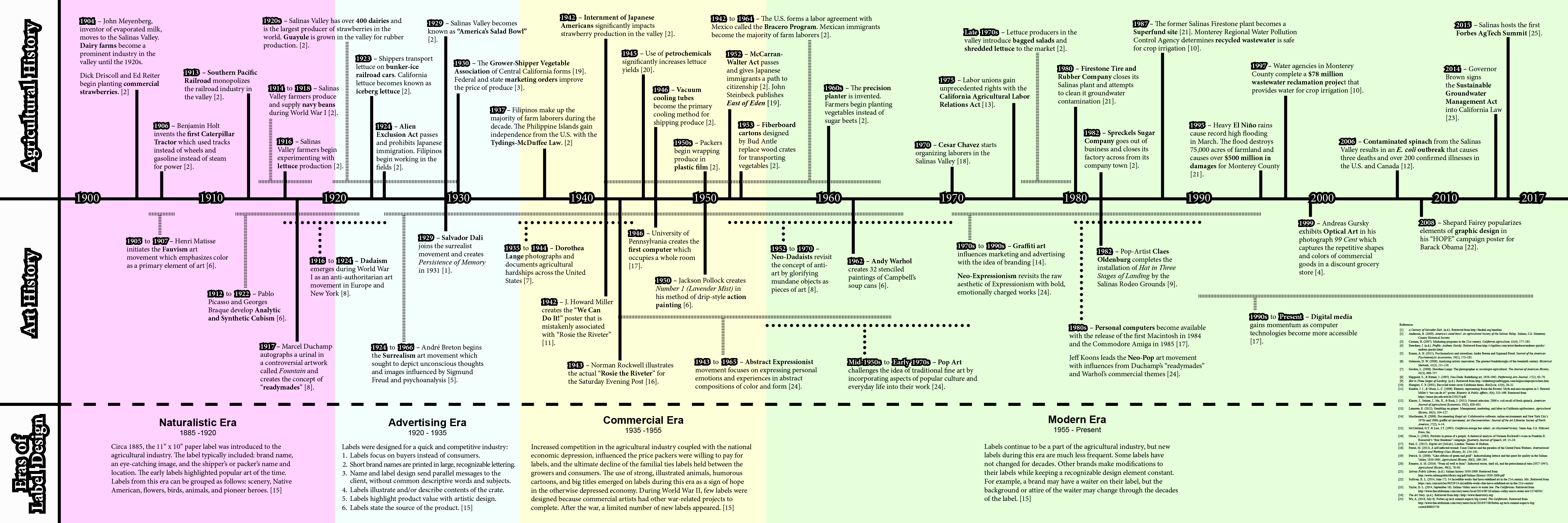
Between summer 2016 and spring 2017 I served as a research assistant for a project that compared the history of art and the history of agriculture in the Salinas Valley in the 20th and 21st centuries. Having grown up in the Salinas Valley with an interest in art, this project was a unique opportunity to understand my hometown and combine these aspects of my life into an installation exhibit project.
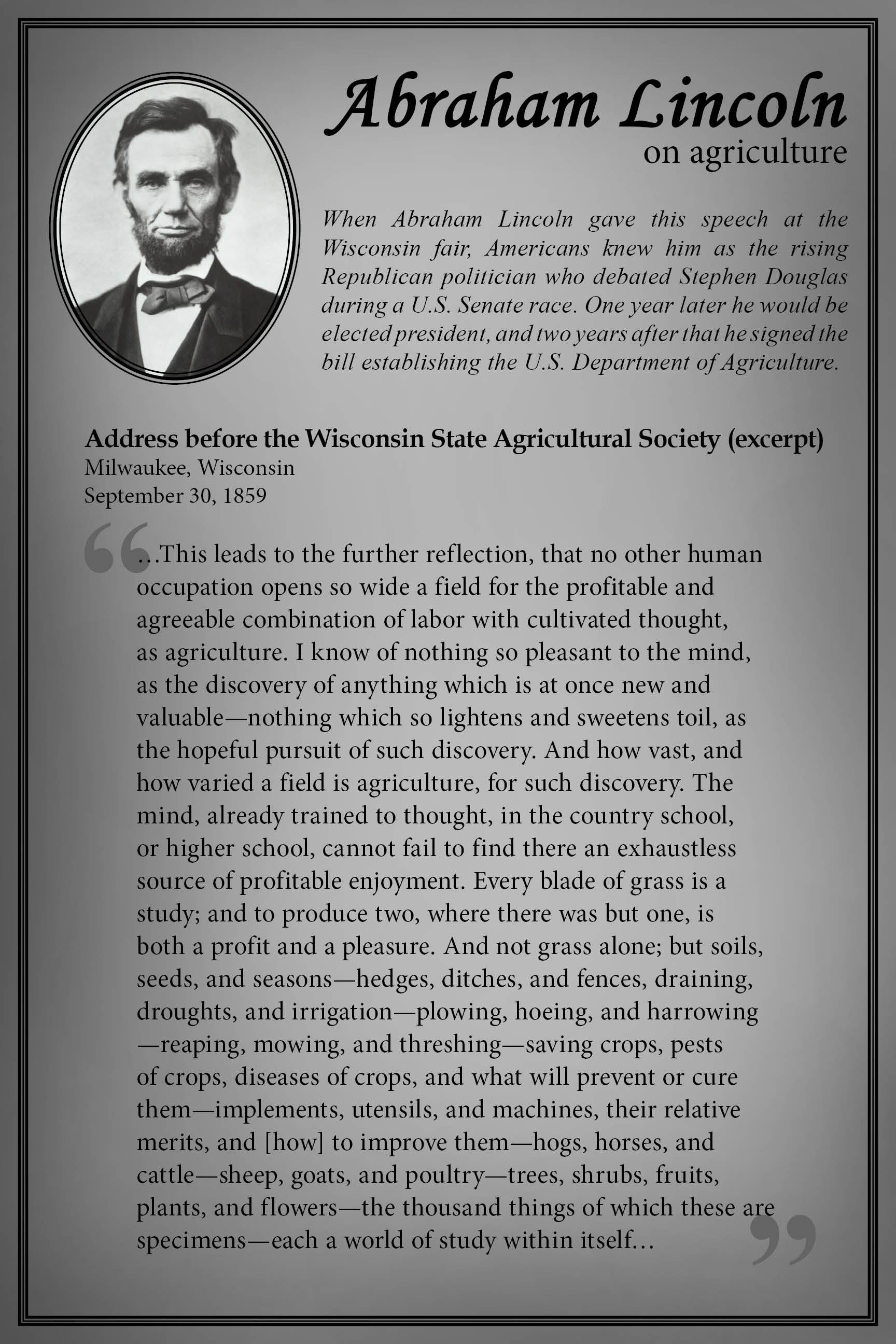
I wrote literature reviews for the histories of art and agriculture and conducted interviews with key players in the Salinas agricultural scene. I also used my graphic design skills in Adobe InDesign to create posters of the interviews and a timeline of art and agriculture history.
SUSTAINABLE CITY YEAR 2015
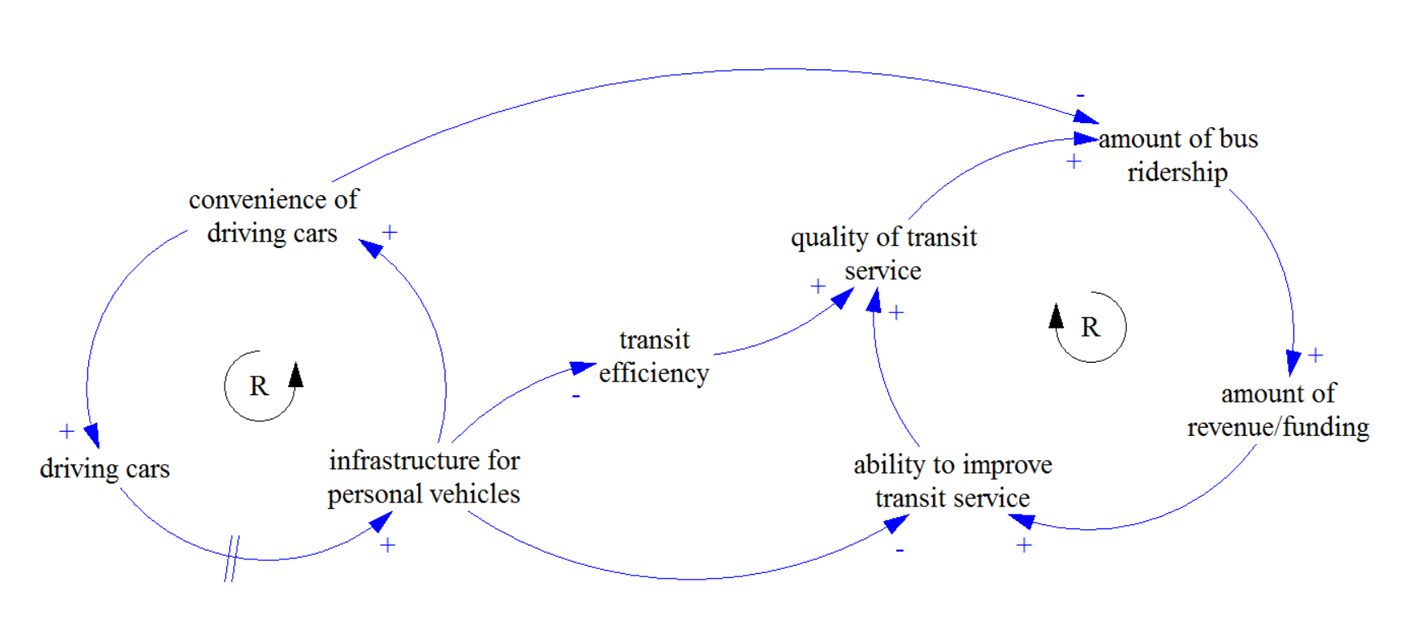
In Fall 2015, the Sustainability Systems class worked with CSUMB Transportation to analyze a bicycle incentivization program on campus. The class also partnered with the City of Salinas to study the effects of a “road diet” using a computer modeling program called STELLA.
After the course, I gave a brief presentation at a Salinas City Council meeting on my experience with the Sustainable City Year Program. I was also hired to write a summary report of the group projects that were completed during the semester.
- CSUMB/Salinas Transportation Systems Report (pdf)
- Salinas Road Diet Presentation (pdf)
- 2015 Sustainable City Year Semester Projects Report (pdf)
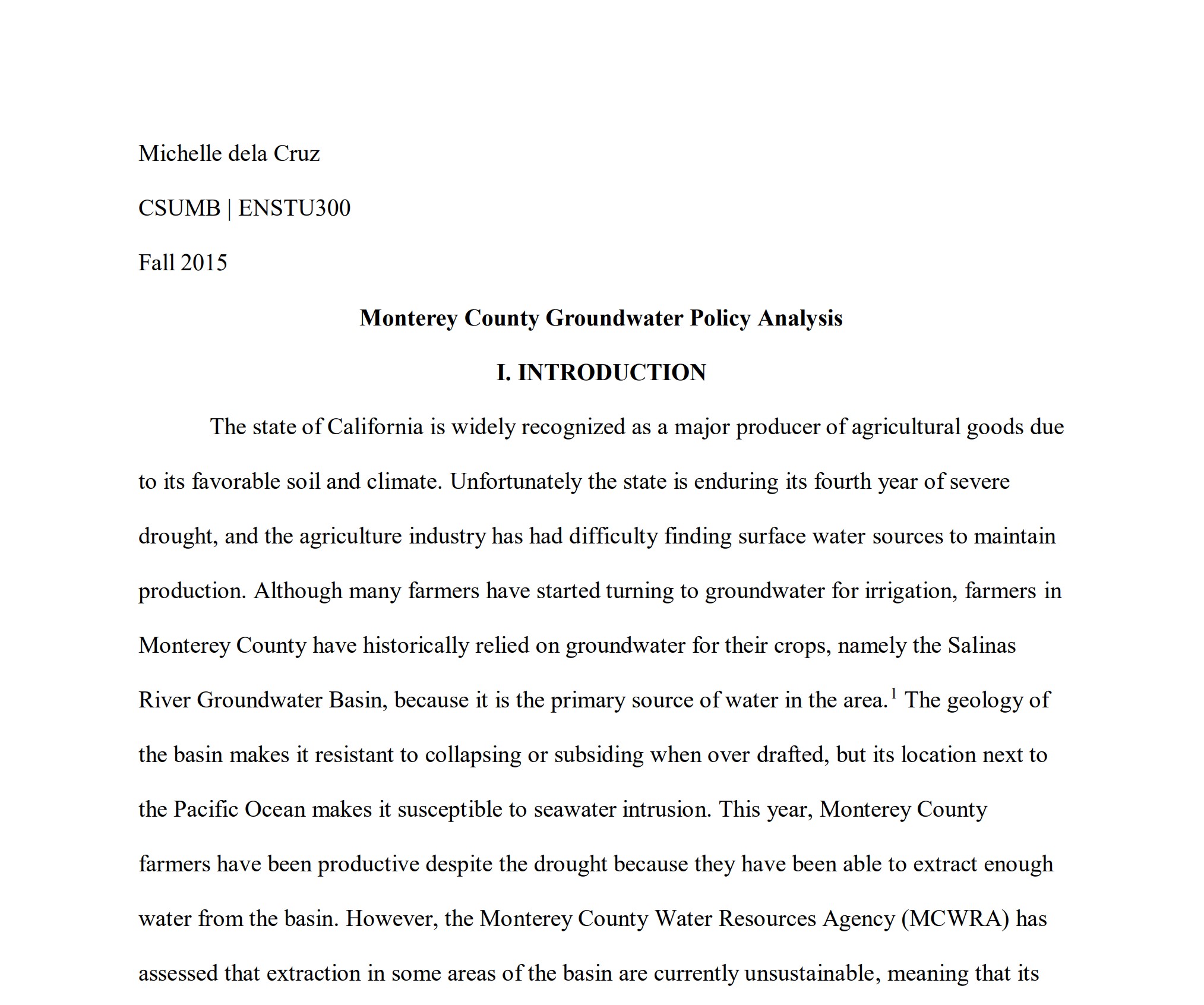
GROUNDWATER POLICY ANALYSIS
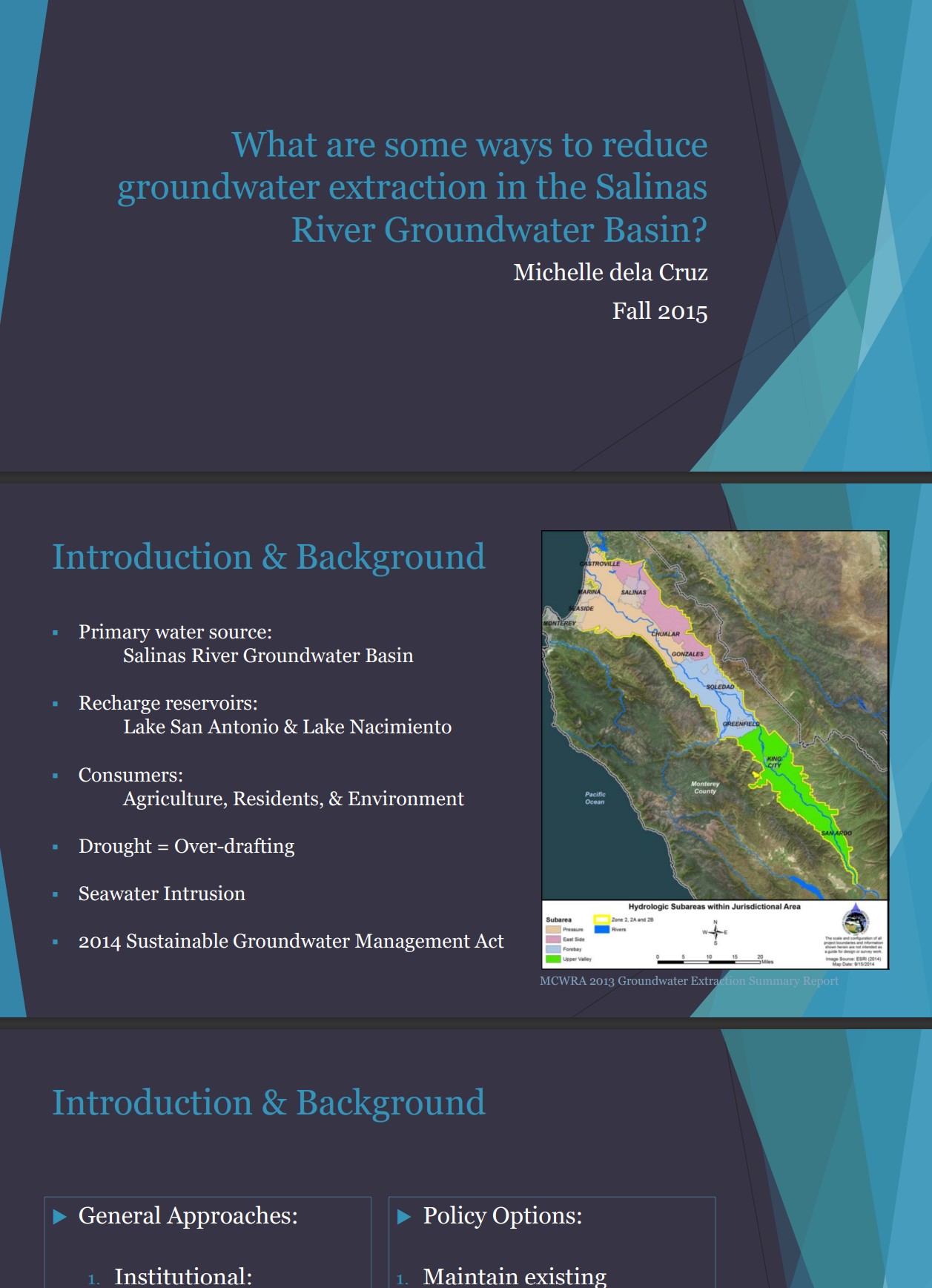
What are some ways to reduce pumping in the Salinas River Groundwater Basin to improve water security in Monterey County?
Initially, I did not immediately know what kind of environmental policy I wanted to write about. Although I felt intrinsically motivated to think critically about where my water comes from, watershed management wasn’t directly related to my career interests in habitat restoration or environmental education. However, I thought this topic helped me be well-rounded in various environmental issues, and it could be helpful if I do decide to go into watershed management.
Acquired Information Literacy Skills
Writing a policy analysis required knowledge of five key aspects to extensive research:
- Determining the extent of information needed
- Accessing needed information
- Evaluating information and its sources critically
- Using information effectively to accomplish a purpose
- Accessing and using information ethically and legally
Acquired Critical Thinking Skills
Writing a policy analysis introduced me to five key aspects of critical thinking:
- Explaining issues with current and background information
- Presenting both evidence and credibility of sources
- Identifying the contexts and assumptions that accompany relevant viewpoints
- Asserting a position while acknowledging limitations
- Summarizing the issue with a logical conclusion
 ePortfolio